
Newest in our blog
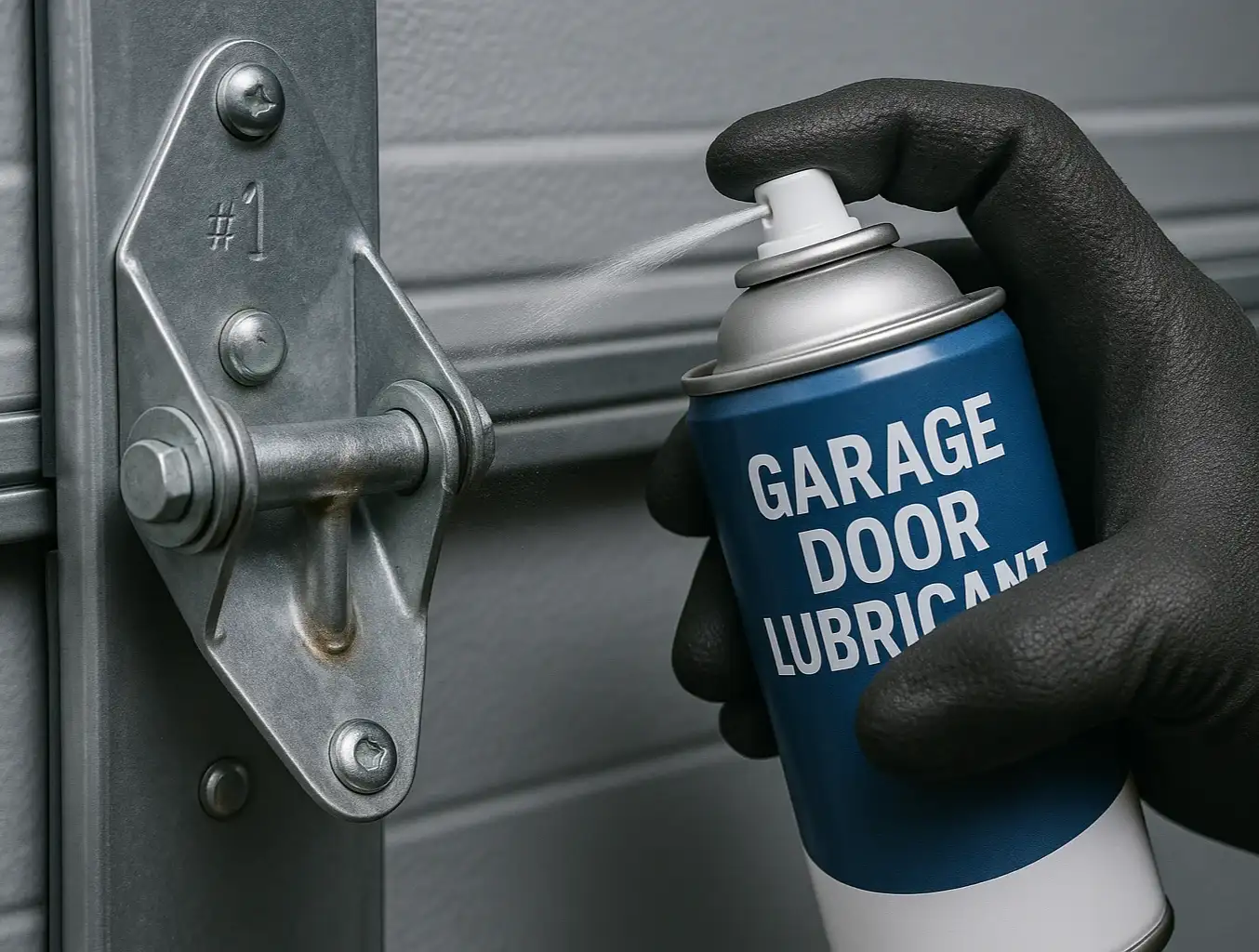
Maximizing Garage Door Hinge Lifespan
Is your garage door trying to tell you something? Those squeaks, groans, and stutters aren't just annoying noises—they're often cries for help from one of the hardest-working parts of the system: the hinges. Think of your garage door hinges as the joints in your body. They are the critical connection points that allow the heavy door panels to bend and glide smoothly along the track. When they're healthy, you barely notice them. But when they start to fail, the entire system can become noisy, unsafe, and prone to costly damage. This guide is your go-to resource for decoding your door's language. We'll walk you through everything from basic hinge anatomy to a simple "symptom checker" that will help you decide when to maintain and when it's time to replace.
Published Date: Jan 28, 2026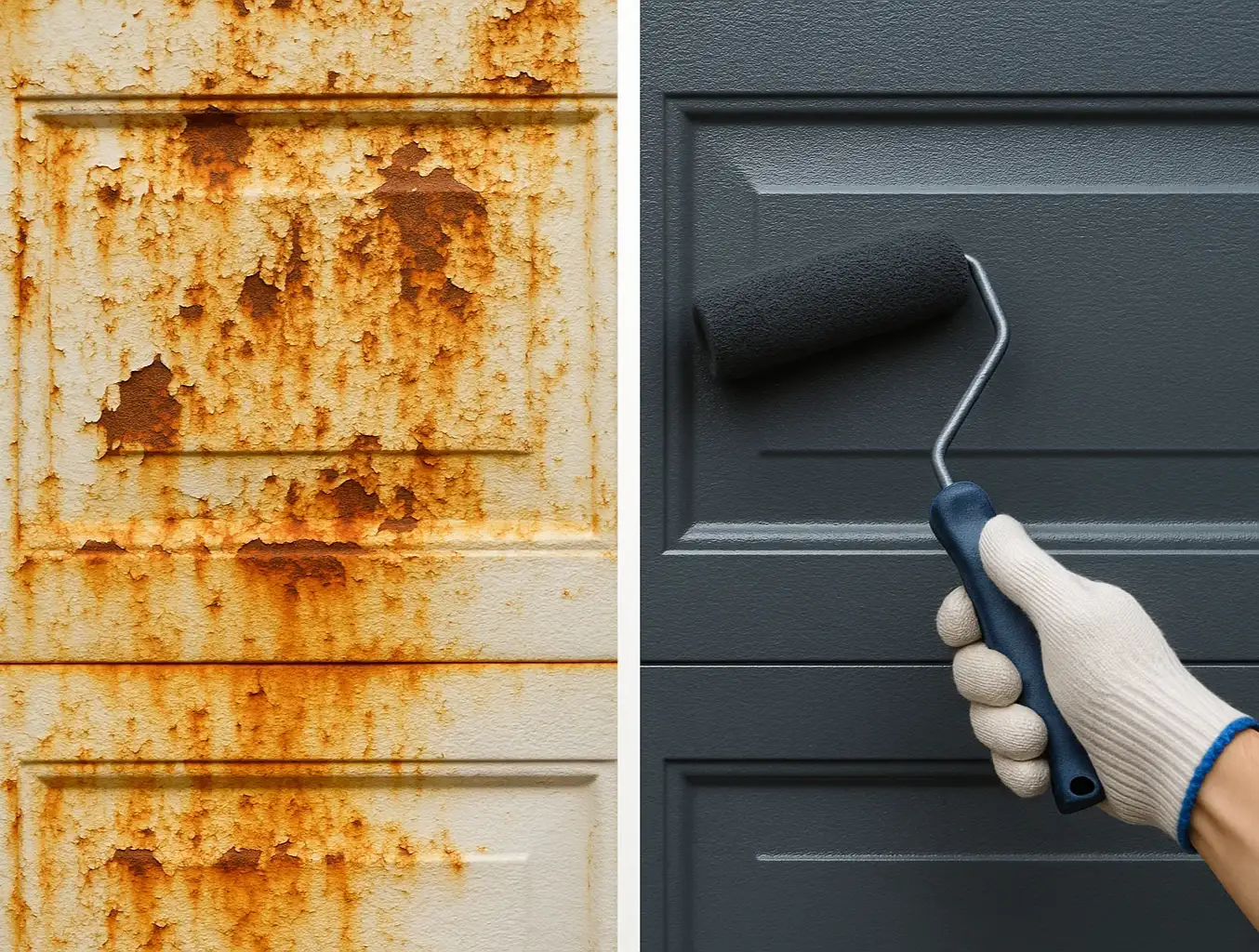
Your Guide to a Flawless Garage Door Finish
You’ve seen it. That creeping orange-brown stain, starting at the bottom corners and slowly working its way up. Your first thought might be, “I’ll just grab a can of paint and cover it up.” It’s a tempting shortcut, a seemingly easy fix to restore your home’s curb appeal. But here’s a hard truth: painting over rust is like building a house on sand. It might look good for a few months, but peeling, blistering, and an even worse rust problem are inevitable. The real secret to a durable, factory-fresh finish isn’t in the painting—it’s in the preparation. This guide will walk you through the why and how of properly prepping and painting a rusted garage door. We’ll go beyond the basic steps to give you the "aha moments" that turn a frustrating chore into a rewarding project with results that last for years.
Published Date: Jan 28, 2026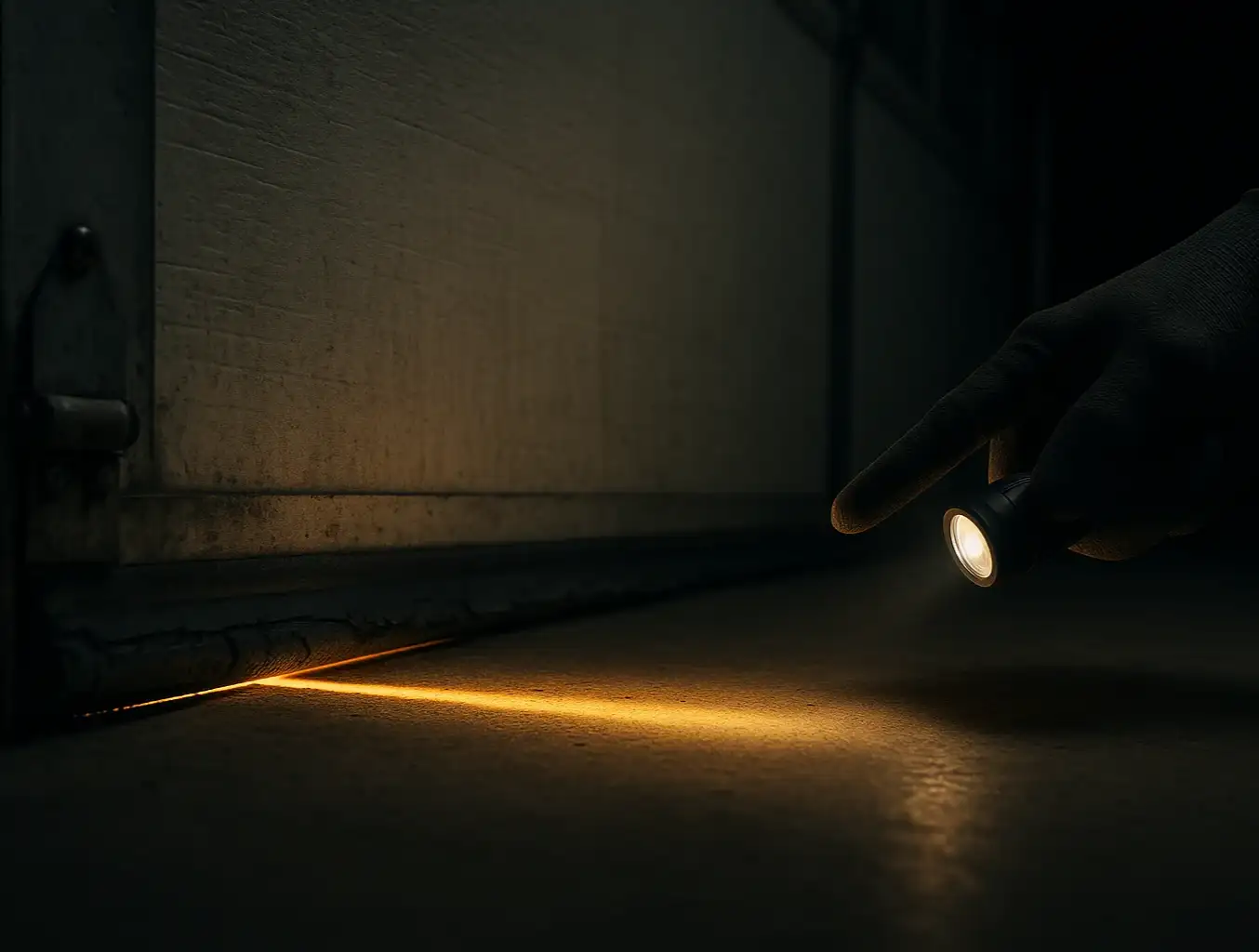
Garage Door Weather Seal & Bottom Seal Degradation
That thin strip of rubber at the bottom of your garage door might seem insignificant, but it’s one of the hardest-working parts of your home’s exterior. Think of it as the silent defender of your garage, constantly battling rain, wind, dust, and pests. But this defender doesn't last forever. Over time, it wears down, creating subtle problems that can lead to bigger headaches—from shockingly high energy bills to unwelcome critters making a home in your garage. Most homeowners don't notice their seal is failing until there's a puddle on the floor or a draft they can't ignore. But what if you could spot the problem before it starts? There’s a simple trick you can use tonight to see just how well your seal is performing. The "Light Test": Your First Clue This is the easiest diagnostic you can do. Wait until it’s dark outside, then go into your garage and turn off all the lights. Close the garage door completely. Now, look around the perimeter of the door—the bottom and the sides. Do you see any slivers of daylight or streetlights peeking through? Every point of light is a breach in your garage's defense. It’s a clear sign that your seal is no longer creating a tight barrier, letting in everything you want to keep out.
Published Date: Jan 27, 2026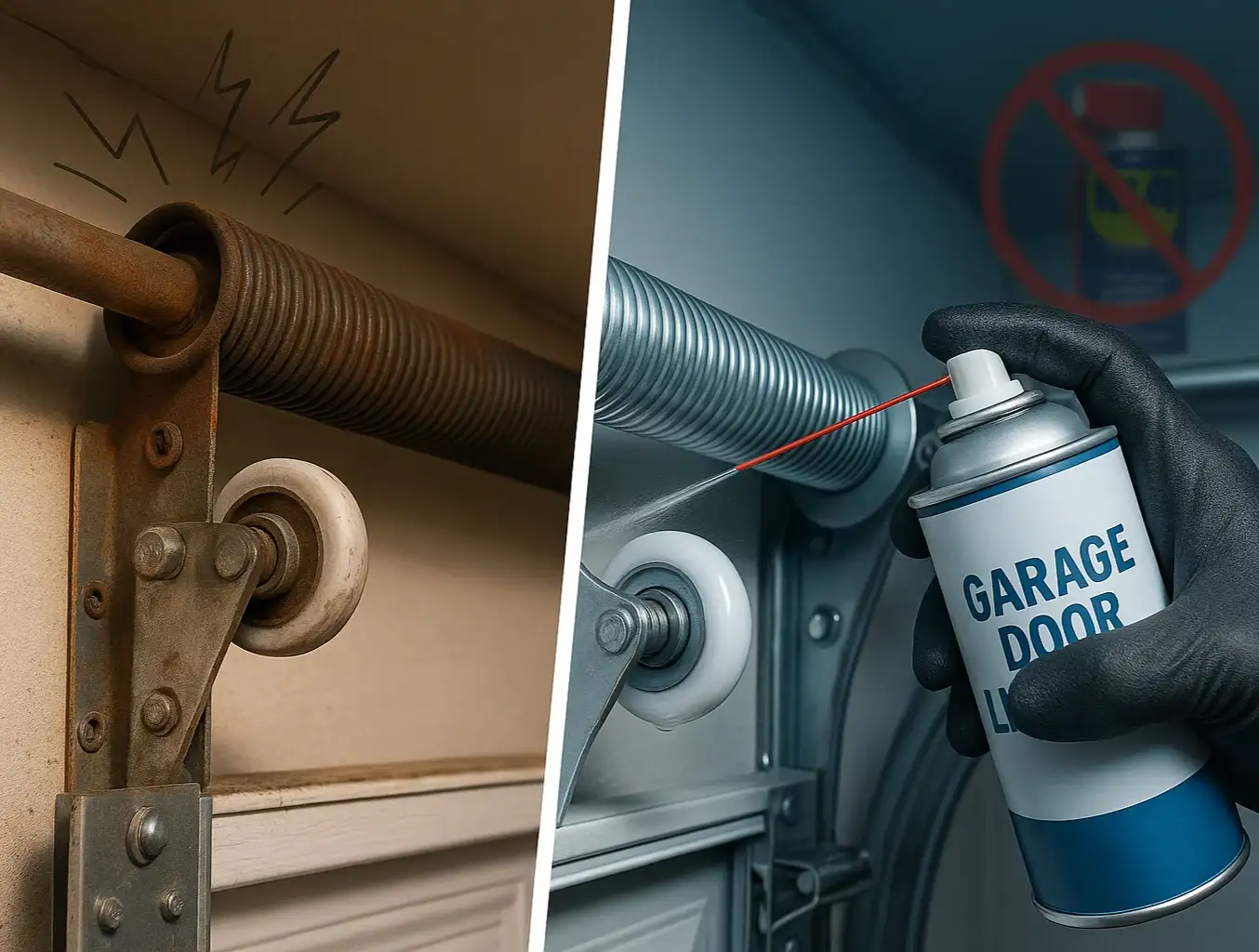
Silence the Squeal: Your Ultimate Guide to Garage Door Lubrication
Is your garage door the loudest thing on the block? That shuddering, grinding, and high-pitched squealing isn’t just an annoying wake-up call—it’s a cry for help. The metal components of your door are in a constant battle against friction and the elements. Without a little care, this daily grind leads to premature wear, rust, and eventually, costly repairs. The good news? The single most effective thing you can do to extend the life of your garage door springs and rollers can be done in about 10 minutes with a single can of the right lubricant. Think of it as a simple wellness routine that keeps your door operating smoothly, quietly, and reliably for years to come.
Published Date: Jan 27, 2026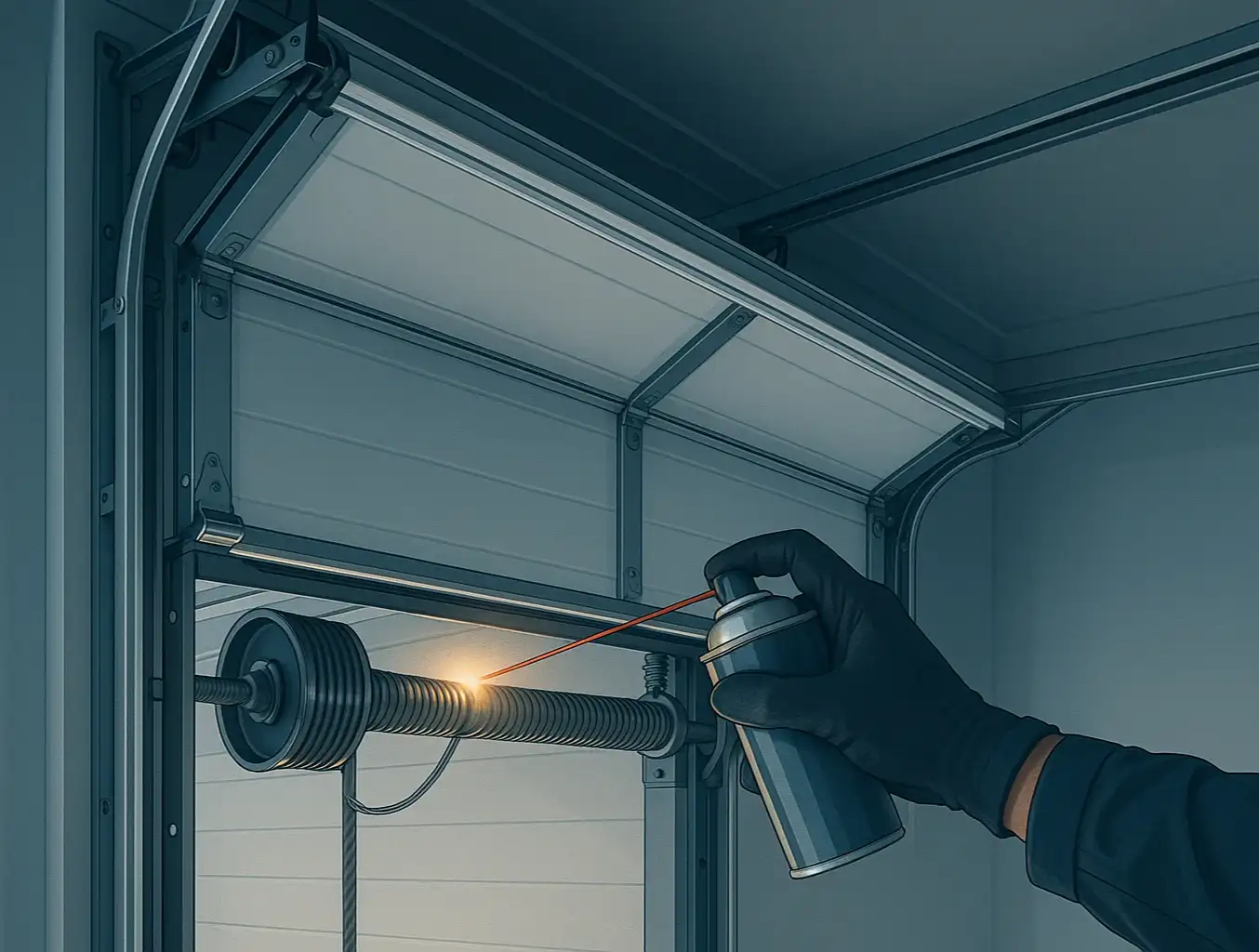
Maintenance Considerations for Vertical Lift Garage Door Systems
You invested in a vertical lift garage door for a reason. Maybe it was to make room for a car lift, create lofted storage, or simply for that clean, modern aesthetic that maximizes every inch of your garage. Whatever the reason, you’ve upgraded from a standard system to something more specialized. Here’s the thing about specialized equipment: it requires specialized care. The very mechanics that give you all that glorious vertical space also create unique stress points and maintenance needs. Ignoring them is like owning a performance car and never changing the oil. Eventually, that smooth, quiet operation will be replaced by squeaks, jerks, and costly problems. This guide is your owner's manual for protecting that investment. We’ll walk through everything from the basic anatomy of your system to a simple maintenance schedule that will keep it running flawlessly for years to come.
Published Date: Jan 26, 2026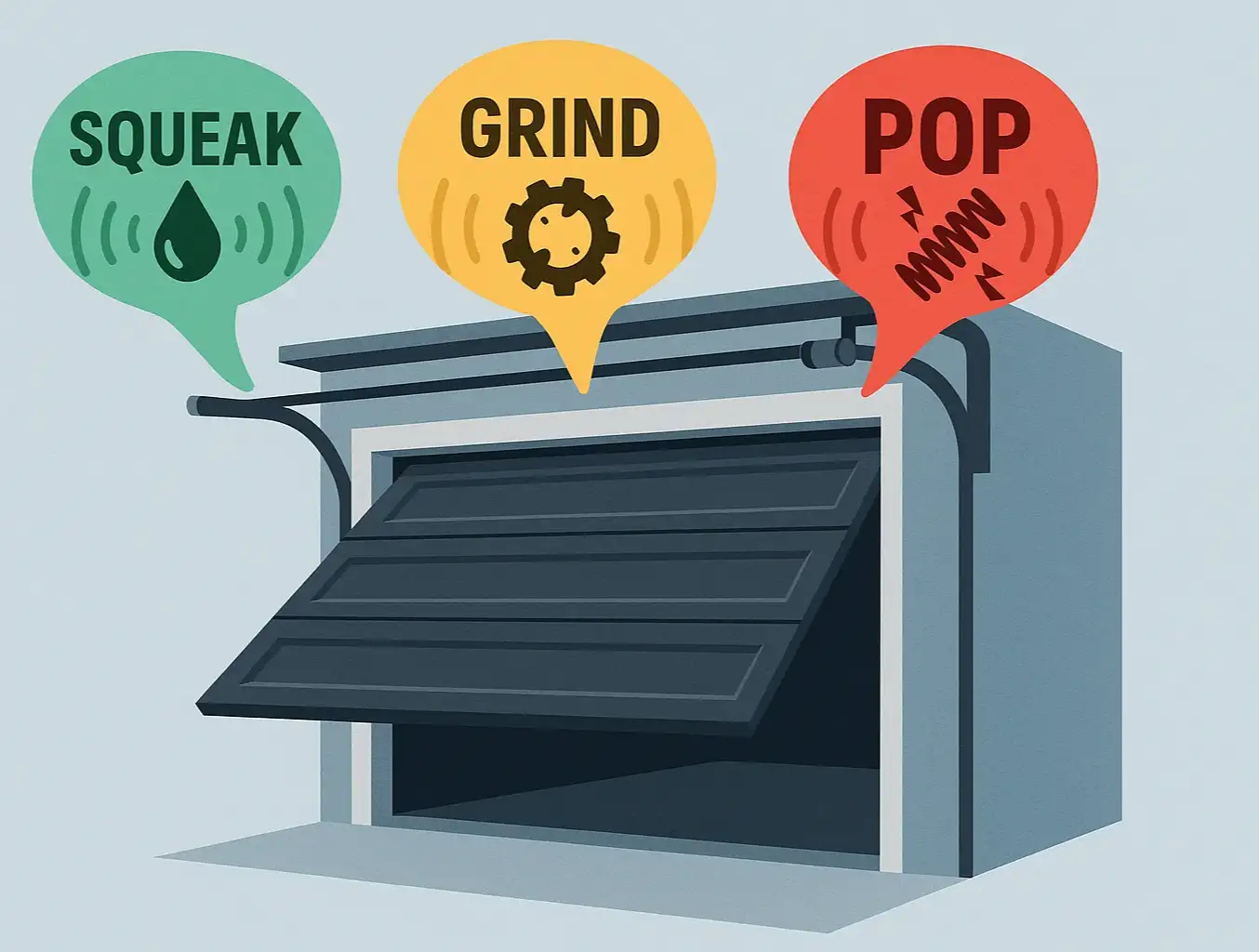
How to Decode Your Garage Door’s Squeaks, Grinds, and Pops
Your garage door is trying to tell you something. That sudden squeal, that gravelly grind, that alarming pop—they aren't just random annoyances. They're a language. Each sound is a specific message about the health of your door, a clue that can help you catch small problems before they become expensive, dangerous failures. Most people either ignore these sounds until it's too late or assume every noise means a costly replacement is imminent. But what if you could listen like an expert? What if you could differentiate between a simple request for lubrication and a critical warning of system failure? This guide teaches you how to speak your garage door's language. By learning to identify the character, timing, and location of its sounds, you can move from guessing to diagnosing, saving you time, money, and stress.
Published Date: Jan 26, 2026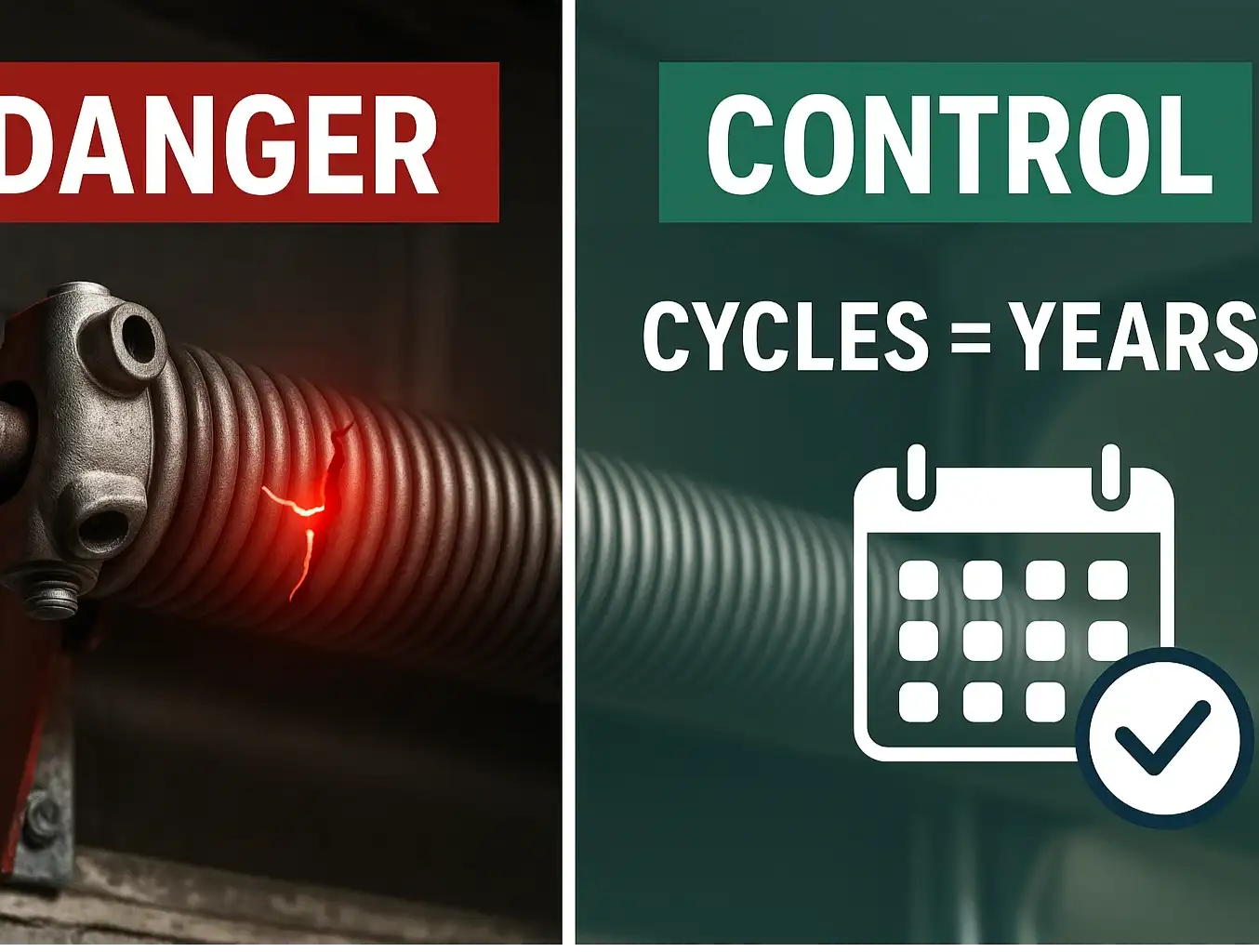
How to Predict When Your Door Springs Will Break
BANG! It’s a sound you’ll never forget—a sudden, deafening report from the garage that sounds like a gunshot. Your first thought might be an intruder, but the reality is often more mundane, yet just as startling: a garage door spring has just snapped. This isn’t just an inconvenience that traps your car; it’s a failure of a component under extreme tension, releasing its stored energy in a split second. Many homeowners assume this event is random, an unavoidable part of homeownership. But what if you could predict exactly when it would happen? What if you could turn that sudden, expensive emergency into a planned, manageable maintenance task? You can. And all it takes is a little bit of simple math. This guide will teach you how to read the "ticking clock" on your garage door springs, moving you from reactive panic to proactive peace of mind.
Published Date: Jan 23, 2026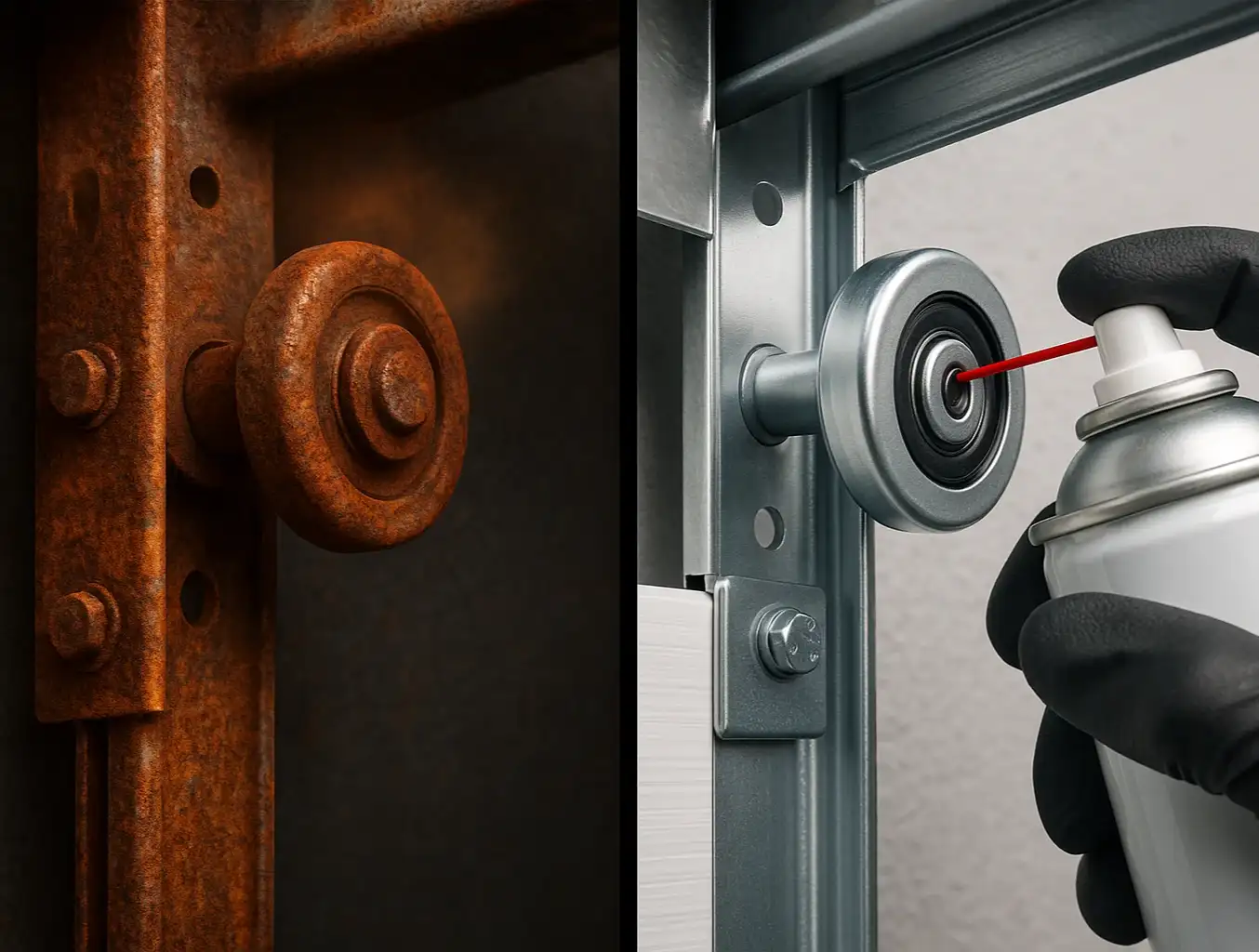
Fixing Rust on Garage Door Tracks and Rollers
Ever been jolted by a sudden grinding, squeaking, or shuddering noise as your garage door opens or closes? It’s a sound that makes you cringe, and for good reason. That noise isn't just an annoyance; it's a warning sign. Your garage door is trying to tell you something important about its health, and often, the culprit is a small, creeping problem you might not have noticed: rust. Many homeowners see a bit of rust on their garage door tracks or rollers and dismiss it as a cosmetic issue. But that reddish-brown coating is a performance killer. It creates friction, forcing your entire system to work harder and leading to bigger, more expensive problems down the line. The good news? You can often tackle this problem yourself. Understanding what's happening and why it matters is the first step toward a smoother, quieter, and longer-lasting garage door system. If you're looking for a more general guide to a noisy garage door fix, we have you covered, but here we’ll focus specifically on the damage caused by rust.
Published Date: Jan 23, 2026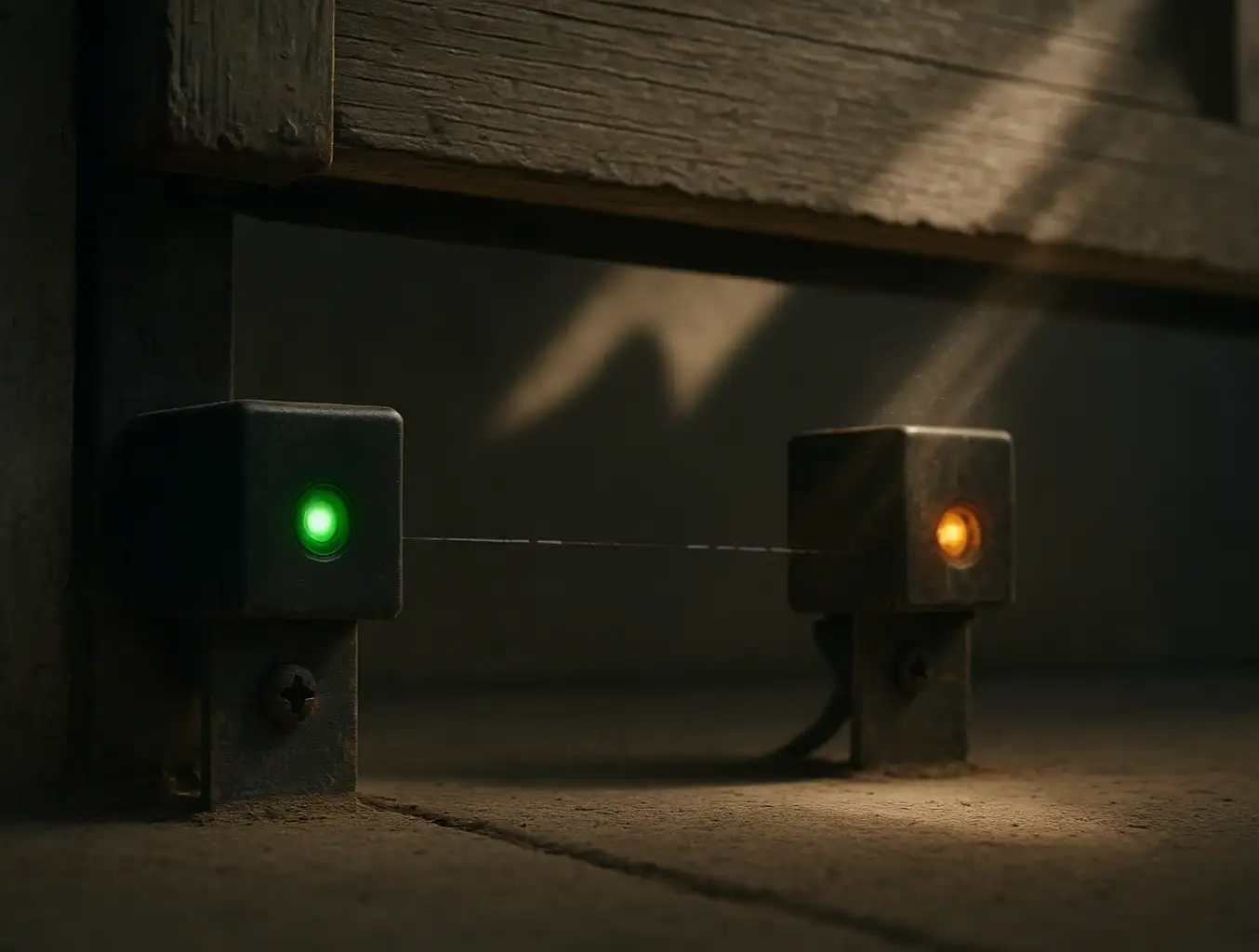
A Guide to Intermittent Garage Door Sensor Failure
It’s one of the most maddening homeowner mysteries. Your garage door works perfectly for weeks, then one sunny afternoon, it refuses to close. You check for obstructions, see nothing, try again, and it works. The next day, same problem. Or maybe it only acts up when it’s damp and rainy. If you’re dealing with a garage door that plays by its own rules, you’re not alone. This unpredictable behavior isn't a sign that your door is haunted; it's a classic symptom of intermittent sensor failure. The biggest "aha moment" for homeowners is realizing that garage door sensors don't just work or break—they degrade. Like any electronic component, they can start to show their age in strange, inconsistent ways long before they fail completely. Understanding these early warning signs is the key to catching a small annoyance before it becomes a major safety issue. This guide will walk you through the subtle signs of a failing sensor, helping you diagnose those "sometimes" problems that other troubleshooting guides often miss.
Published Date: Jan 22, 2026